I Spent Thirty Years Being Everyone's Favorite Version of Me — Except My Own

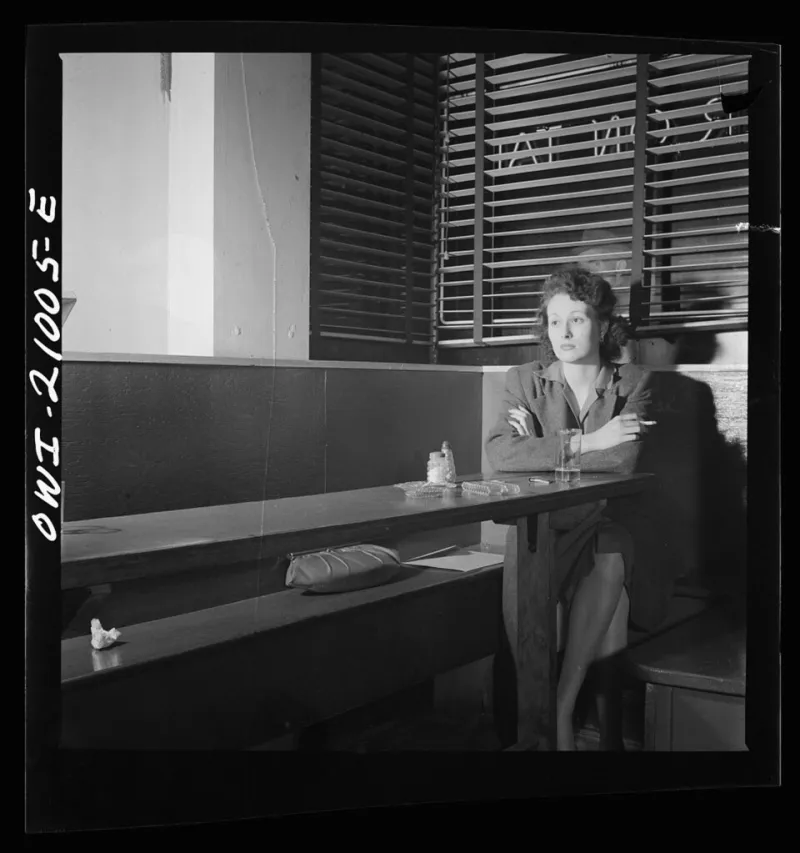
Photo: woman alone reflection window thoughtful introspective, via thumbs.dreamstime.com
There's a particular kind of exhaustion that has nothing to do with sleep. I know it well. It's the kind that settles into your chest after a dinner party where you laughed at every joke, agreed with every opinion, and left having said almost nothing true about yourself. You drive home alone, and somewhere between the highway exit and your front door, you realize you can't quite remember what you actually think about anything anymore.
That was me. For a long time, that was just Tuesday.
The Character I Built to Survive
I didn't set out to become a people-pleaser. Nobody does. Looking back, I can trace it to a pretty ordinary origin story — a childhood home where keeping the peace was treated like a survival skill. My dad had a temper that ran hot and fast, and my mom had a gift for smoothing things over before they boiled. I learned from both of them. I learned that the easiest way to get through a room was to become whatever that room needed you to be.
By my twenties, I had refined this into something almost impressive. At work, I was the agreeable team player who never pushed back in meetings, even when I had something worth saying. In relationships, I mirrored my partners' interests back at them like a human echo chamber. On social media — and God, social media made this so much worse — I curated a version of my life that was relatable enough to get likes but polished enough to seem aspirational. I wasn't lying, exactly. I was just... editing. Constantly, compulsively editing.
The trouble with building a persona that carefully is that it works. People liked me. They really did. I was easy to be around because I never created friction. I was the friend who went wherever the group wanted to go, the coworker who stayed late without complaint, the partner who said "whatever you want" so many times it stopped meaning anything at all.
What I didn't understand then — and what took me an embarrassingly long time to figure out — was that being liked for a version of yourself you invented is one of the loneliest feelings in the world.
The Night the Mask Slipped
The turning point wasn't dramatic. There was no rock bottom, no intervention, no single catastrophic event. It was a Thursday evening at a work happy hour I hadn't wanted to attend. I was mid-sentence, telling a story I'd told before — a funny, self-deprecating anecdote I kept in rotation because it always landed well — and I stopped. Just stopped. Mid-word.
The people around me laughed awkwardly and waited. And in that pause, something cracked open. I heard myself from the outside for the first time. I sounded hollow. I sounded like a recording.
I mumbled something about needing another drink and stepped away. Standing at the bar with my back to the room, I had one of those quiet, clarifying moments that you can't manufacture and can't forget. I thought: I have been performing my entire life, and I don't even know what the real show looks like.
I went home early that night. I told people I had an early morning. Old habits.
Unlearning the Habit of Disappearing
What followed wasn't a clean transformation. I want to be honest about that, because too many stories about personal growth get compressed into a tidy before-and-after. The reality was messier and slower and, at times, genuinely uncomfortable.
I started small. I said "I don't actually love sushi" to a friend who'd been suggesting that restaurant for years. She laughed and said, "Oh thank God, me neither." We went to a burger place instead. It sounds almost comically minor, but I drove home that night feeling something unfamiliar — a lightness that I eventually recognized as relief.
I started noticing the moments when I was about to default to the performance. The slight shift in my posture when I walked into a room full of people I wanted to impress. The way my voice changed — got a little brighter, a little more agreeable — when I sensed tension. The reflex to laugh at things I didn't find funny, to agree with things I wasn't sure I believed.
I also started therapy, which I'd resisted for years because, ironically, I was worried about what a therapist would think of me. The first few sessions I spent trying to seem like a good patient. My therapist, to her credit, called that out with a gentleness that still stings a little when I think about it.
What Authenticity Actually Costs
Here's the part nobody tells you: showing up as yourself does cost something. Not everyone likes the real version. A couple of friendships quietly faded when I stopped being the endlessly accommodating person they'd come to rely on. A relationship I'd been in for two years didn't survive the shift — not because either of us was a bad person, but because we'd built something on a foundation of me being whoever he needed, and when I stopped doing that, we didn't have much left.
That hurt. I won't pretend it didn't.
But here's what I gained: I started having conversations that felt real. I started disagreeing with people and finding that most of them respected me more for it, not less. I made a friend at a work conference who told me, months later, that she'd liked me immediately because I seemed like someone who actually had opinions. That comment broke my heart a little, honestly — because I thought of all the years I'd spent sanding those opinions down to nothing.
The Person Who Was There All Along
I'm not going to tell you I'm fully cured of the impulse to perform. Some habits live deep. I still catch myself reaching for the easy version — the agreeable smile, the deflecting joke, the "I'm fine" when I'm not fine. But now I notice it. And noticing, it turns out, is most of the work.
What I've come to understand is that the exhaustion I used to feel wasn't just the effort of performing. It was grief. I was grieving the version of myself I kept postponing, the one I kept promising I'd get to eventually, once I'd made everyone else comfortable enough.
I'm still getting to know her. She has stronger opinions than I expected. She's a little blunter, a little less eager to smooth things over. She doesn't always make the room easier.
I think I'm going to like her.